




Quick Answer
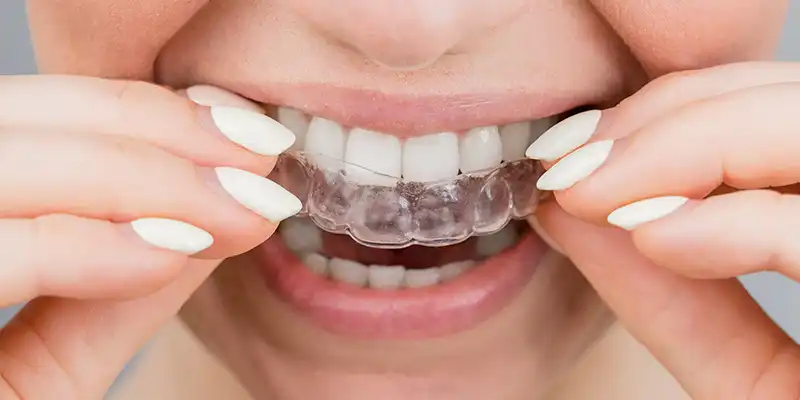
Mia Aligners are clear, custom-made trays designed to gently straighten your teeth over time. Each aligner applies light, controlled pressure that gradually moves your teeth into better alignment. Most patients wear their aligners for 20-22 hours per day and change to a new aligner every one to two weeks as their smile steadily transforms.
Main way to enquire and book:
WhatsApp Mia on +27 83 700 0305
Introduction
Crooked or crowded teeth are very common dental concerns and can affect both the appearance of your smile and how easy it is to keep your teeth clean. Some people feel self-conscious about their smile, while others simply find it difficult to brush and floss between overlapping teeth, which is one reason regular dental checkups matter.
For many years, traditional braces were the main way to straighten teeth. Today, advances in digital dentistry offer a modern, discreet alternative: aligner treatment.
Mia Aligners use clear, removable trays that gradually guide your teeth into their ideal position. With digital scanning and advanced treatment planning, your dentist can map out your smile transformation before treatment even begins, helping you see the path to a straighter smile from the very start.
What Are Mia Aligners?
Mia Aligners are orthodontic devices made from transparent medical-grade plastic, carefully designed to fit your teeth comfortably.
Instead of metal brackets and wires, aligners use gentle pressure to move teeth gradually over time. Patients wear a sequence of aligners, with each one designed to bring their teeth one step closer to their ideal position.
How Teeth Move During Orthodontic Treatment
Your teeth are held in place by tiny fibres called periodontal ligaments, which connect each tooth to the surrounding bone. When gentle pressure is applied to a tooth, the bone around it slowly remodels and adapts. Bone is resorbed on one side of the tooth and new bone forms on the other, allowing the tooth to gradually move into a new position.
Both braces and clear aligners rely on this same biological process. The difference is simply how the pressure is applied to guide the teeth.
How Digital Technology Helps (link placeholder)
Aligner treatment usually begins with a digital scan of your teeth, which creates a precise 3D model of your mouth. Using specialised orthodontic planning software, your dentist can simulate how your teeth will move step by step and design a treatment plan to guide them into better alignment.
From this digital plan, a series of custom-made aligners is produced, with each aligner representing the next stage of tooth movement in your treatment.
Who Is a Good Candidate?
Clear aligner treatment may help correct:
- crowded teeth
- gaps between teeth
- mild to moderate overbite
- mild to moderate underbite
- crossbites
- general tooth misalignment
Some more complex orthodontic cases may require additional treatment, braces, or care from a specialist orthodontist. A consultation and digital assessment can help determine whether aligner treatment is the right option for you.
Aligners vs Braces
Traditional braces use brackets and wires attached to the teeth to move them into alignment. Clear aligners use a series of transparent, removable trays that fit over the teeth and gently guide them into position over time.
Many patients prefer aligners because they are discreet, comfortable, and can be removed for eating, brushing, and flossing. If you are still deciding, comparing clear aligners vs braces can help you choose what suits your smile and lifestyle.
How Long Treatment Takes
Treatment time varies depending on the complexity of tooth movement required.
- Minor corrections may take around 6-9 months
- Moderate cases may take around 12-18 months
For treatment to progress as planned, aligners should be worn 20-22 hours per day, only being removed for eating, drinking (anything other than water), brushing, and flossing. Consistent wear helps ensure teeth move according to the treatment plan and leads to the best possible results.
Health Benefits of Straight Teeth
Straighter teeth are often easier to clean and maintain. When teeth are properly aligned, it can be easier to brush and floss effectively, which may help reduce plaque buildup and lower the risk of gum disease. Good alignment also supports the benefits of preventive dental care and professional cleaning.
Improved alignment can also help distribute bite forces more evenly across the teeth, potentially reducing excessive wear on certain areas.
Confidence Benefits
For many people, orthodontic treatment is not only about dental health but also about confidence. A straighter smile can help patients feel more comfortable smiling, speaking, and expressing themselves in social and professional settings.
Frequently Asked Questions
Aligners apply gentle, controlled pressure to gradually move teeth into better alignment. This works with the body's natural bone-remodelling process, allowing teeth to shift slowly into their planned position.
Mia Aligners are made from clear material and are designed to be subtle when worn, making them far less noticeable than traditional braces.
Yes. Many adults choose aligners because they are discreet, comfortable, and easy to fit into everyday life.
No. Aligners should be removed before eating or drinking anything other than water to avoid damage or staining.
Aligners can usually be cleaned by gently brushing them with a soft toothbrush and rinsing them with lukewarm water. Your dentist may also recommend specialised cleaning products.
Some patients notice a slight change in speech when they first start wearing aligners, but this usually improves within a few days as the mouth adapts.
After orthodontic treatment, a retainer is usually recommended to help maintain the new position of your teeth and prevent them from shifting back over time.