Today
In the surgery
On your desk as well
Everything runs through you: the dentistry, and the business wrapped around it.
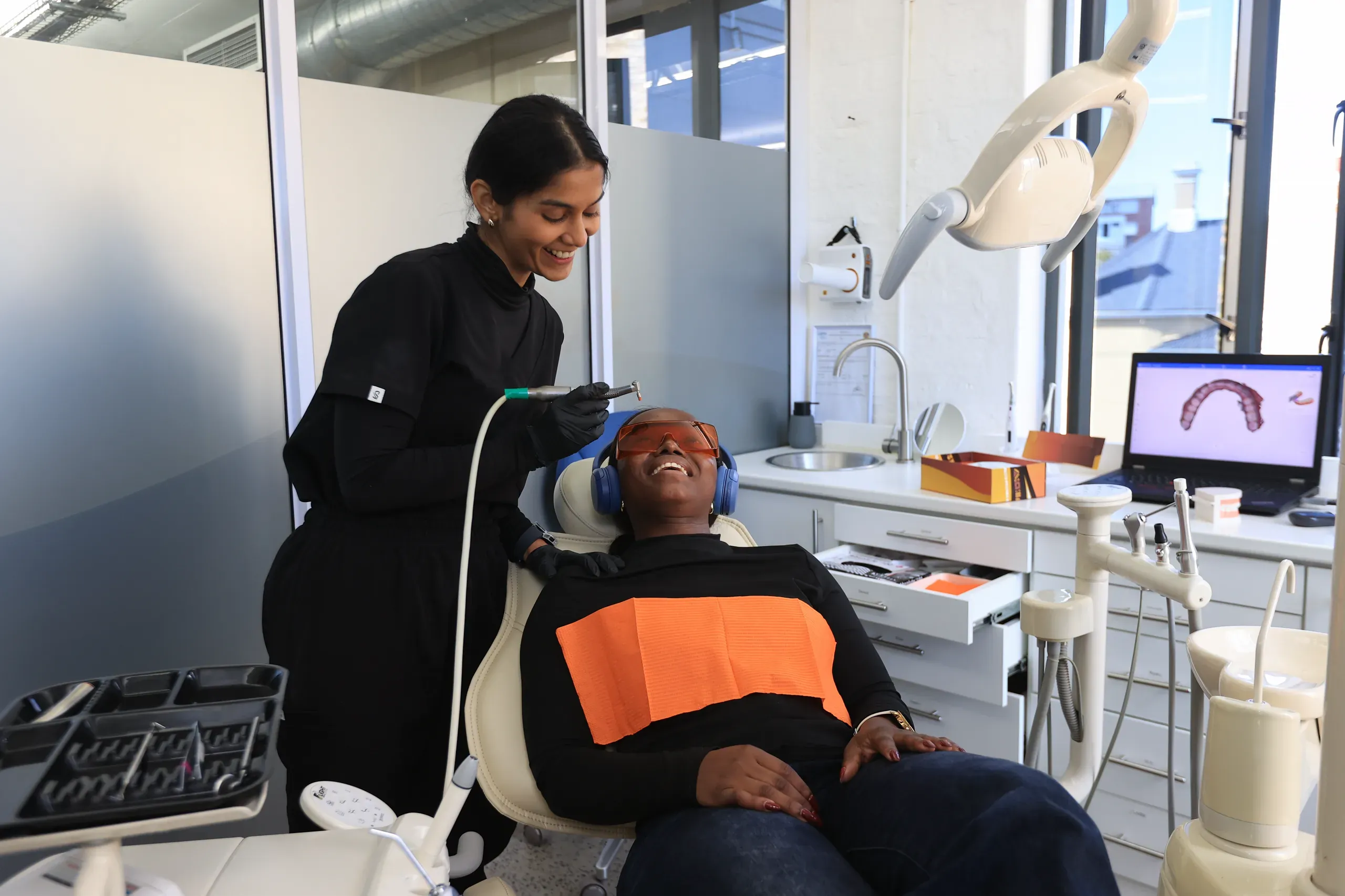
Your guide to selling
How a deal works, the South African landscape, why Mia, and our platform. Plainly, with nothing hidden.
Part 1 of 4
What changes when you sell, when to sell, how a practice is valued, and how you get paid. Plainly, with nothing hidden.
What changes
You remain a leader in your practice. What changes is the weight of everything that used to pull you away from it.
Today
In the surgery
On your desk as well
Everything runs through you: the dentistry, and the business wrapped around it.
After the sale
In the surgery: stays yours
Carried and supported by Mia's central team
Mia owns the practice and carries the business around it. You keep leading the practice and its clinical work.
What you keep
When to sell
There is no right age to sell. The best time is usually before you have to. Planned early, a sale is your choice. Left late, it tends to happen on the buyer's terms.
You, your practice, and your goals for your career, your life and your team.
We work directly with whoever in your practice is best placed to help, so it doesn't land on you.
We walk you through it assumption by assumption, so it is clear rather than just a number.
Agreements drafted and explained in plain language, with your advisers in the room.
Support for you and your team, with timeline and expectations set together.
Completion, and the group's tools working for your practice from day one.
Valuation
There is no number on this site, because a number without your financials would be a guess. These are the factors that make a practice a strong or weak proposition. We walk you through how each one applies to yours.
Whether we share the same values about patients, teams and dentistry. It shapes every other factor.
Where the practice is, the community around it, and how hard it would be to replicate.
How many surgeries there are, and how many clinicians work from them.
What the practice does, including the share of production from hygiene.
Whether revenue and patient numbers are rising, flat or falling.
How profitable the current model is, and how clearly that can be shown.
A stable team with clear roles, and depth beyond any one person.
New patients coming in, and existing patients coming back.
What you want from the deal, and when, shapes how it is valued and structured.
Getting paid
Most deals combine several of these. The mix depends on the path you choose and your tax position.
Cash paid on the day the sale goes through.
Further payments on a fixed timetable, set out in the agreement.
A market-related clinical rate for your work in the chair, agreed before you sign.
For owners who want to build with us, part of the value may stay invested in what Mia becomes.
Our support
Through Izak Smith at IJS Chartered Accountants in Cape Town, with one brief: as efficient for you as the law allows.
When we need something, our team works with yours to find it. You won't be sent a list of documents and left to it.
Contracts explained in layman's terms, line by line, as many times as it takes.
Independent tax and legal advisers who know our model are on hand, and your own advisers are welcome in every room.
Part 2 of 4
Some owners have heard a version of this from one of the few corporate buyers in South Africa. Some know it from abroad. For some, selling a practice and staying on is entirely new.
Succession
Across the country, a generation of senior owners will need to exit within the next five to ten years. Very few buyers in South Africa can absorb a practice of real size, and the pressure to sell rarely arrives on the owner's timetable: health, a partner who wants out, a lease ending, burnout. When a sale has to happen, it usually happens under time pressure and on the buyer's terms.
The profession coming up behind them is not the answer either. It is growing fastest at the entry end, and that cohort buys very few practices. Those who want to buy struggle to raise funding on terms that support a fair multiple, so many set up their own rooms instead. And a practitioner buyer is really buying the chair, so the seller is expected to leave it soon after, and the goodwill is valued accordingly.
Based on HPCSA registration data by age band, published in International Dental Journal, 2018.
In one line
The load on owners
Dentistry sits in one of the most complicated regulatory environments in healthcare, and the load only grows. All of this lands on people whose actual work is in the surgery:
World-class clinical work needs headspace, and a compliance deadline takes it first. Scale exists so clinicians do not have to choose between the business and the chair.
The imported model
Consolidation in dentistry has already happened at scale in the US and the UK: buy practices, standardise them, and sell the group within a fund's life. Neither market set out to end up there. It happened one practice at a time, to owners who each had a good reason to sell.
We do not think the model is evil. It has given sellers liquidity and answered succession in those markets. What it has not answered is what happens to the dentistry afterwards.
What can happen to the dentistry
Charges can rise faster than anything in the clinical work would justify.
Prevention and lower-margin care can lose out to high-margin treatment. For us this is the serious one: prevention is what this country can least afford to lose.
Often where a patient cannot see on the day, to make the group look better on paper before it is sold on.
High-leverage deals leave practices carrying risk they had no say in.
This is our reading, not a research paper. Some of it is well studied and some is what we hear from colleagues. Ask us which is which and we will tell you straight.
Done properly
A purely financial model was not built for the clinical load this country carries. We think the answer to succession here has to be built by dentists, not bought by a fund.
Done properly, scale brings
Part 3 of 4
Mia Healthcare was founded by a husband and wife, a medical doctor and a dentist: Dr Zane Stenning and Dr Karishma Stenning. They still own 70% of it.
Who owns Mia today
We are not an investment fund with a dental thesis. We are an operating company, with mobile clinics, aligners and labs that earn their own revenue, building a South African dental group for the long term with family and friends.
Our capital is mostly debt rather than fund equity, so nobody has to sell the group in year five to return money to investors. We are building towards a listed South African company, owned in a meaningful way by the clinicians inside it. That is an intention, not a guarantee.
What we are building
We want to bring the best possible dentistry to as many South Africans as possible. So we gave it a number, made it public, and count it patient by patient. We cannot get there alone: practices like yours are expected to deliver most of it.
The idea behind the group
The Springboks did not win back-to-back World Cups on a starting fifteen. They won on a squad so deep that the last quarter belonged to them before it was played.
We are building that in dentistry: the deepest squad of clinicians in the country, with masters setting the standard, builders scaling it, teachers coaching the next generation, and enough depth that nothing dies with one person.
A note
A home for existing practitioners and a system for the next generation, so what you built outlives your time in the chair.
A standard set by clinicians and shared across practices, with the technology, materials and training to keep raising it.
For new and experienced practitioners: to learn, to be mentored and to mentor.
Practice managers, front desk and assistants growing into experts, with careers across the group.
Compare
Pick an area to see the four options side by side.
Mia Healthcare. Decided in the surgery, by the treating clinician. No clinical targets from head office.
Staying independent. Fully yours.
Selling to a practitioner. Passes to the buyer once you step away.
Corporate-led DSO. Often shaped by central protocols, production goals or quotas.
Mia Healthcare. You remain a leader in your practice for as long as you want.
Staying independent. Owner, manager and clinician, all at once.
Selling to a practitioner. Usually expected to step out of the chair soon after.
Corporate-led DSO. Often an employed clinician on a fixed-term arrangement.
Mia Healthcare. Carried by head office, by people who do only that.
Staying independent. Carried by you, often after hours.
Selling to a practitioner. Passes to the buyer.
Corporate-led DSO. Centralised; the level of support varies.
Mia Healthcare. Through the sale, with the goodwill kept in place so it can be valued properly.
Staying independent. Only when you eventually sell.
Selling to a practitioner. Often discounted, and limited by what the buyer can borrow.
Corporate-led DSO. Yes, often with part of the price deferred or tied to targets.
Mia Healthcare. A market-related rate, agreed before you sign.
Staying independent. Whatever is left once the practice is paid for.
Selling to a practitioner. Ends when you hand over.
Corporate-led DSO. Usually a set rate or percentage.
Mia Healthcare. Training and career pathways across the group, clinical and operational.
Staying independent. Limited to what one practice can offer.
Selling to a practitioner. Depends on the new owner.
Corporate-led DSO. Varies; often tied to group-wide programmes.
Mia Healthcare. Institutional capital lines, without the practice carrying the borrowing.
Staying independent. Your own borrowing.
Selling to a practitioner. The buyer's own borrowing.
Corporate-led DSO. Available, usually directed by the group's priorities.
Mia Healthcare. Not mandated. Group buying often cuts materials and lab costs by 15–30%.
Staying independent. Full price, negotiated on your own.
Selling to a practitioner. The buyer's choice.
Corporate-led DSO. Often standardised, with suppliers chosen centrally.
Mia Healthcare. Clinicians, building towards a listed South African company.
Staying independent. You.
Selling to a practitioner. The buyer.
Corporate-led DSO. Often a fund working towards its next sale.
Mia Healthcare. Roles in teaching, mentoring, clinical advice and the business of dentistry.
Staying independent. Whatever you arrange yourself.
Selling to a practitioner. Ends at handover.
Corporate-led DSO. Varies by group.
General patterns, not a description of any one buyer. Every deal, including ours, depends on its terms.
Our financial backers
South African banks and institutional investors, most with us since our first aligner lab in Cape Town. Vumela / Edge Growth is FNB's enterprise development arm.
Where we deliver preventative care
Employers and schools running Mia mobile clinics for their people.
Part 4 of 4
Everything a group can do that a single practice cannot, in one place.
The Mia group
An operating company first. Everything it runs feeds the same goal: the best possible dentistry, for as many South Africans as possible.
Partnerships with the country's best clinicians, scaling great teams rather than collecting practices.
Preventative care inside some of the country's biggest employers and schools, under our own clinicians.
Designed for South African needs, priced for South African realities, planned and made here.
Adam Labs, our in-house orthodontic lab, with plans to expand, feeding the group where it makes clinical sense.
Six levers
Where your practice already does one of these well, we absorb it rather than replace it. The people doing that job keep doing it, with a larger team and budget behind them.
Coaches, community, systems
Access to the coaches, community and systems that help practices build something extraordinary. Mia is a proud member of the Dentist Entrepreneur Organization (DEO), and its only African member.
The DEO is a dental accelerator built on an observation we share: the skills that make a great clinician are not the skills that make a great executive, and wearing both hats is where dental entrepreneurship quietly falls apart.
For your practice: An international pool of clinicians, playbooks and coaches. More scale, more time for clinicians, more impact for patients.
In-house film and content
In-house content and film capability, at a turnaround and volume no independent practice could justify.
Our partner is Visual Impact, one of South Africa's largest broadcast and film services companies, part-owned by Marius van Straaten, our friend, angel investor and Chief Marketing Officer.
For your practice: The name on your door gets produced for properly, and keeps its own voice.
Marketing, finance, AI, data
More hands working in your practice, in areas where an independent practice cannot always justify hiring:
For your practice: People in your practice, working with your teams and driving quality. Not auditors visiting from head office.
HR, payroll, accounts, compliance
Payroll, employment contracts, management accounts, collections, POPIA and HPCSA compliance run centrally, by people who do only that.
Where your practice already has someone doing this well, they keep doing it, with our team behind them.
For your practice: The work that lands on clinicians after hours moves to people whose actual job it is.
Adam Labs and Mia Aligners
Adam Labs, our own orthodontic lab, and Mia Aligners, a clear aligner line designed, planned and made in South Africa rather than imported. Shorter turnaround, local pricing, and a clinician on the other end of the phone.
For your practice: Lab and aligner work inside the group where it makes clinical sense. Never a requirement.
Institutional lines, not practice debt
Arguably where Mia excels most. We know capital, and we have institutional lines that independent practices do not. They pay for equipment, rooms, new sites and the buyout of a retiring partner, without a practice carrying the borrowing itself.
For your practice: If you have already built something significant, this is the lever that builds legacy.
Your deal team
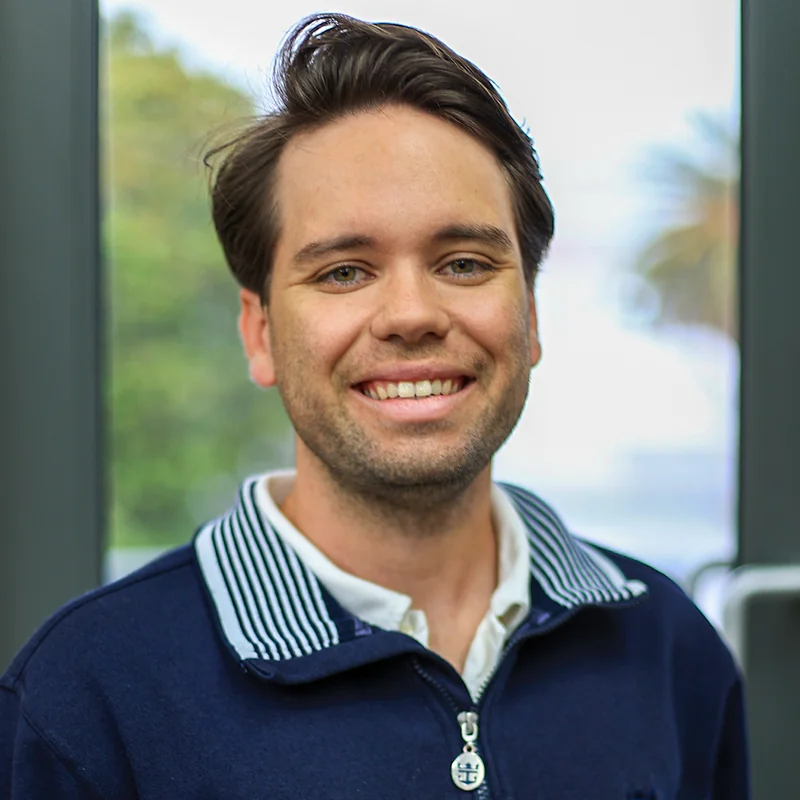
Co-founder and CEO
Your first conversation, and your direct line throughout.
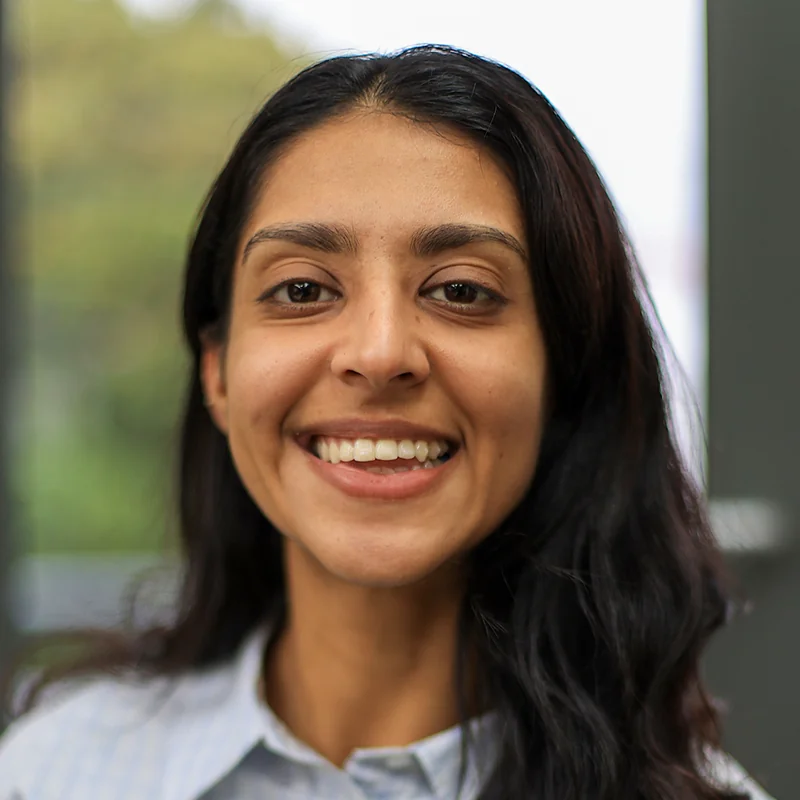
Co-founder and Chief Dental Officer
Clinical standards across the group.
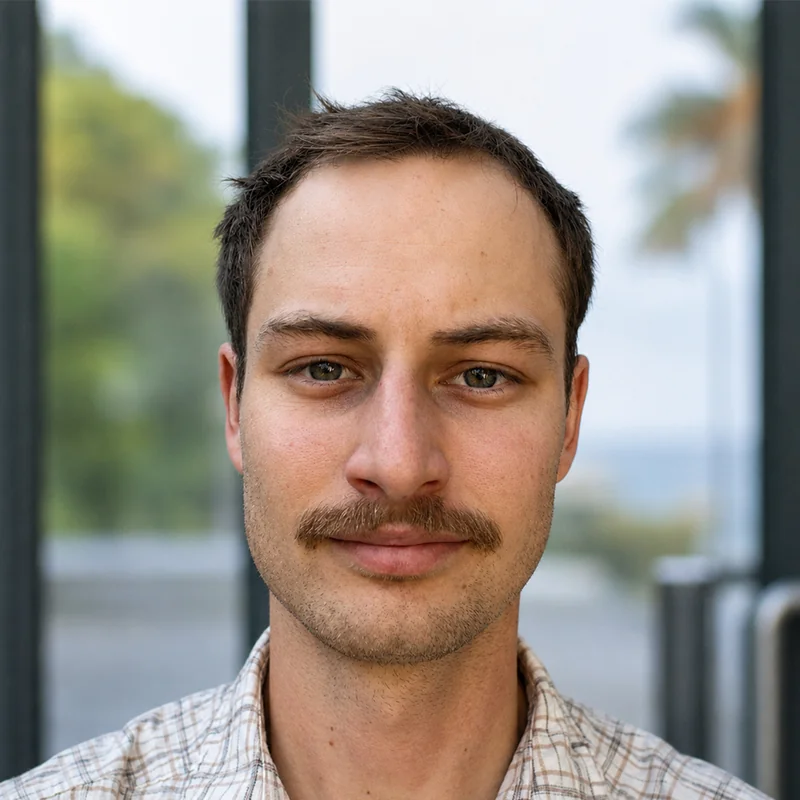
Operations and Investment Lead
Runs the deal process from first visit to completion.
Chief Financial Officer
Your numbers, the valuation and the reporting after.
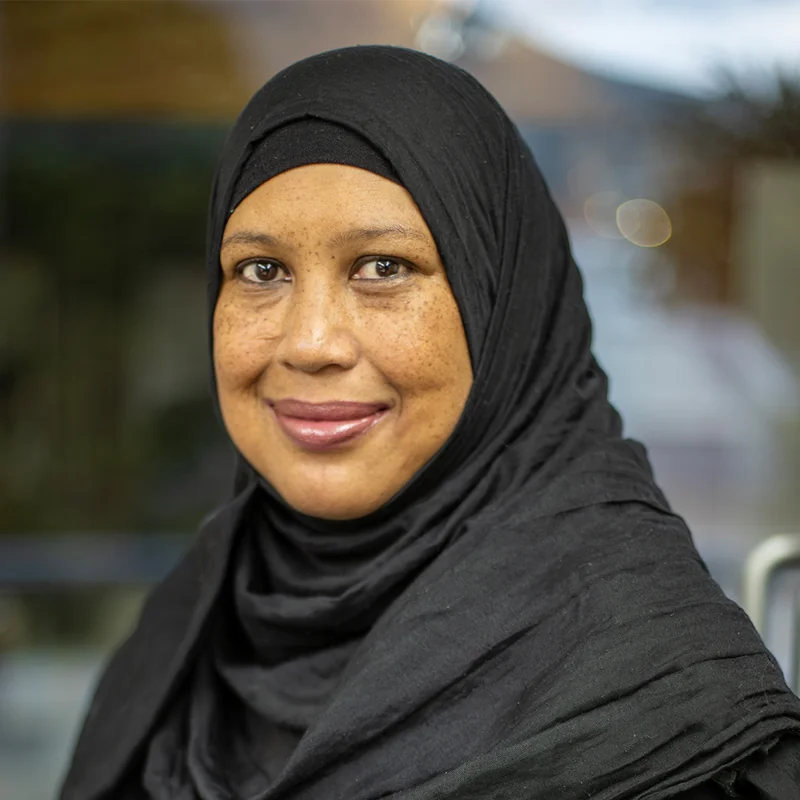
Head Practice Manager
Your practice manager's counterpart at head office.
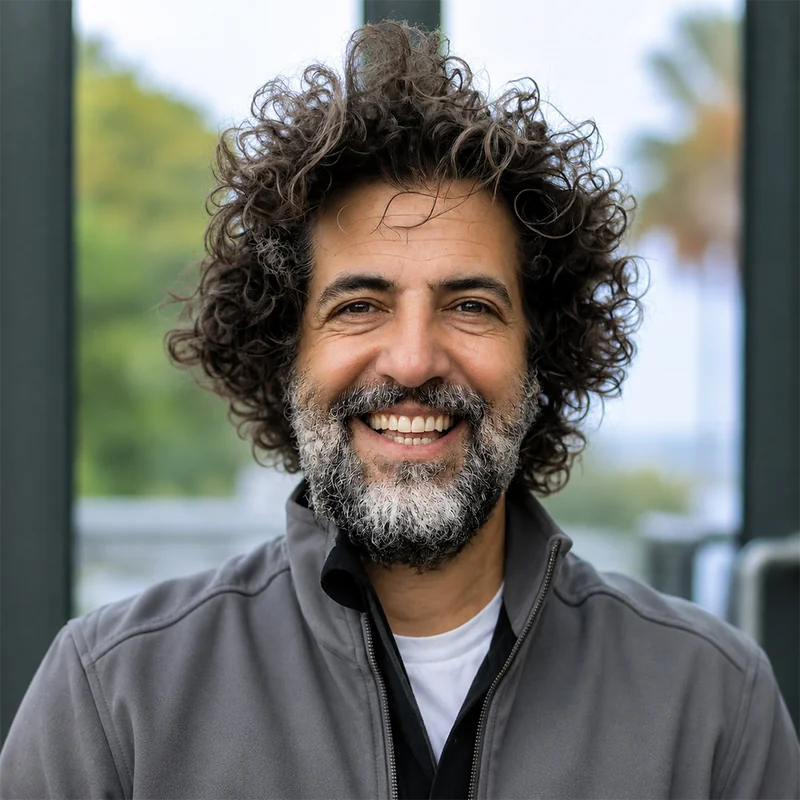
Chief Marketing Officer
Brand, content and patient acquisition.
Behind them: clinical advisers Dr Ian Erasmus and Dr Ismail Amra, DEO coach Mark Lakis, tax adviser Izak Smith, and teams across finance, marketing, AI and automation, labs and aligners.
Before any sale
In the first period together, we agree what a good exit looks like for you: when, on what terms, and at which metrics. Then we build towards it, with our marketing, systems and finance people working in your practice. The aim is a clean exit from a practice that already runs with minimal headaches.
What a good exit looks like for you, and the metrics that would get you there.
Where the practice stands today, and what closes the gap first.
Our people work alongside your team, and we check progress against the metrics together.
When the numbers are where we agreed and the timing suits you, the exit is straightforward rather than stressful.
What we work on together
Brand, website and content with our film partner, and patient acquisition you can track.
Recall and reactivation, online booking, and patient experience you can measure.
Monthly management accounts, a readable dashboard, tidy books and collections that work.
Clear roles, written processes, and less of the practice resting on one person, including you.
The terms of working together, including how they connect to a future sale, are agreed with you at the start.
Talk to Dylan
Thirty minutes, clinician to clinician, about your practice and your timing.